US Job Seekers Face Extended Unemployment Stints Amidst Sluggish Hiring
In the United States, individuals who lose their jobs are experiencing longer job search durations. Nearly four in ten people exhaust their unemployment benefits before finding new employment, pointing to a sluggish hiring environment.
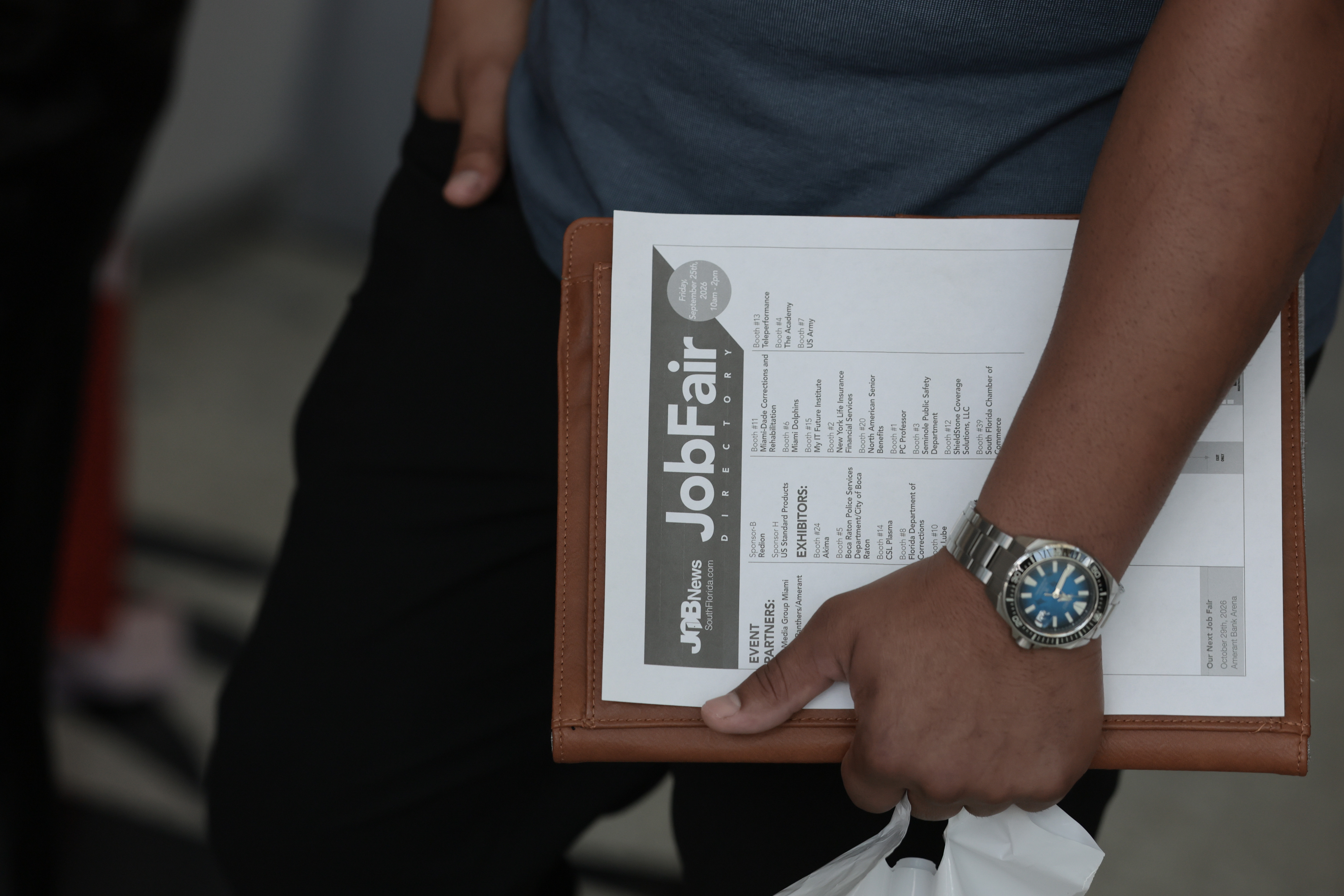
 Grand Rapids Kalamazoo Battle Creek, MI, October 11, 2026 — In the United States, individuals who have lost their jobs are increasingly facing longer periods of unemployment as they search for new employment opportunities. This trend suggests a challenging labor market where securing new positions is taking more time than in previous periods.
A significant indicator of this prolonged job search duration is the high rate at which individuals are exhausting their unemployment benefits. According to available data, nearly four in ten people, which is approximately 40%, are finding themselves without income support before they are able to secure new employment. This statistic highlights a critical point in the job search process for a substantial portion of the unemployed workforce.
The exhaustion of unemployment benefits before finding a new job indicates a hiring environment that is described as sluggish. This sluggishness can be influenced by a variety of economic factors, which may include a slower pace of job creation, a mismatch between available jobs and the skills of job seekers, or a general economic slowdown that reduces demand for labor across various sectors. While the specific reasons for the current sluggishness are not detailed, the impact on individuals is clear: extended periods of job seeking and financial strain.
This situation presents considerable challenges for those affected, potentially impacting their financial stability and long-term career prospects. The trend underscores the importance of robust support systems and a dynamic job market capable of absorbing displaced workers efficiently. Without timely re-employment, individuals may face difficult decisions regarding their finances and career paths, while the broader economy may experience effects related to consumer spending and workforce participation.
Further details regarding the specific timeline of these longer job search durations or the precise economic indicators contributing to the sluggish hiring environment were not provided in the summary. However, the core observation points to a sustained period where finding new employment is becoming a more arduous and lengthy process for many Americans.
Story summarized from the original created by Scott Horsley on www.npr.org, see more information here.
Media gallery