Top Automatic Screen Printing Press Manufacturer Guangdong Aces Advances Printing Automation
GUANGZHOU, GUANGDONG, CHINA, October 22, 2026 /EINPresswire.com/ -- As demand for efficient textile decoration and
Press Release Disclaimer: This is a press release distributed through the XPR Media network. It has not been independently verified by our newsroom.

GUANGZHOU, GUANGDONG, CHINA, October 22, 2026 /EINPresswire.com/ —
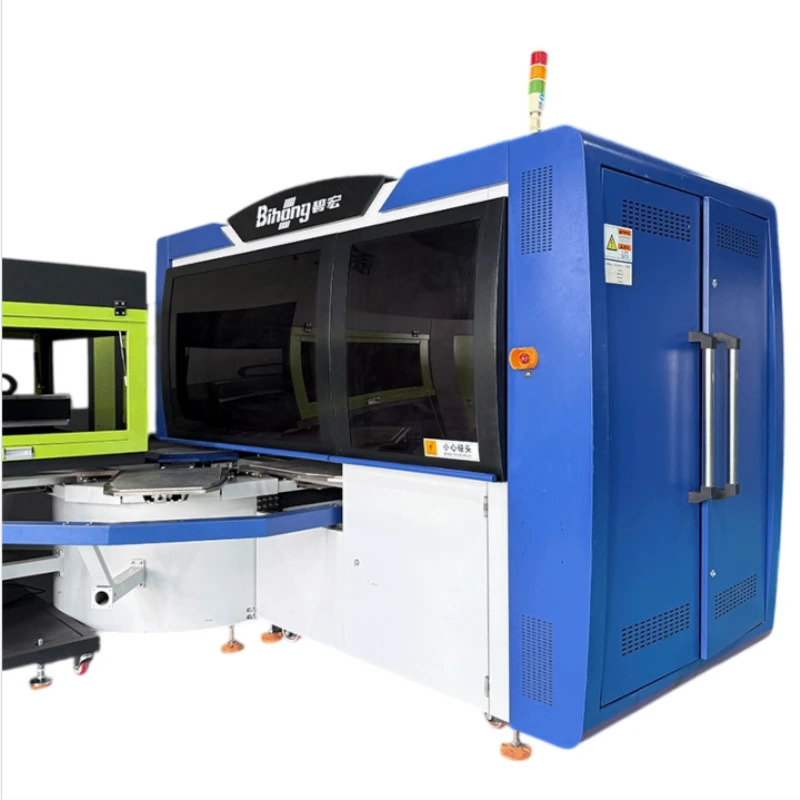
As demand for efficient textile decoration and automated garment production continues to develop, Guangdong Aces Machinery Co., Ltd. is strengthening its presence in the industrial printing equipment sector. The company, known under the Bihong brand, focuses on screen printing machinery, digital printing equipment, and related production solutions for businesses serving the garment and textile industries. Its approach reflects a broader manufacturing trend in which printing businesses are seeking improved registration accuracy, consistent output, flexible production arrangements, and equipment that can support changing design requirements.
Screen printing remains an established method for applying graphics, logos, and decorative designs to fabrics and garments. It is used in applications such as T-shirts, sportswear, promotional clothing, and other textile products. As production volumes and design complexity increase, manufacturers are exploring automation to reduce repetitive manual operations and improve coordination between printing, material handling, and curing processes. An Automatic Screen Printing Press can help address these needs by combining mechanical movement, printing stations, registration systems, and adjustable operating parameters in a coordinated production process.
Guangdong Aces Machinery Co., Ltd. has developed a portfolio that includes automatic oval screen printing machines, digital printing machines, hybrid printing systems, screen-making equipment, and other machinery related to textile printing. The company’s public product information highlights models designed to support different production requirements, including equipment with customizable configurations. These capabilities place the company within a market where equipment selection increasingly depends on the relationship between print quality, output requirements, available floor space, and the types of garments being processed.
The development of automated printing equipment involves more than increasing machine speed. Production systems must also maintain stable material positioning, consistent pressure, accurate registration, and reliable movement between stations. If a garment shifts during printing or the screen is not correctly aligned, the resulting design may be distorted or misplaced. Automated equipment therefore relies on a combination of mechanical stability, positioning systems, suitable fixtures, and controlled operating sequences to support repeatable results.
For businesses evaluating an Automatic Screen Printing Press, registration accuracy is one important consideration. Multi-color printing requires each color layer to align with the previous one. Even small positioning differences can become visible in the final design, especially when patterns contain fine lines, small lettering, or closely spaced color boundaries. Machine structure, pallet positioning, screen-frame alignment, and the consistency of the movement system can all influence the final result.
Guangdong Aces Machinery Co., Ltd. presents its oval printing equipment as a solution for textile printing applications that require coordinated movement and repeatable positioning. Information published for the company’s X7 model describes a triangular positioning system and a stated registration accuracy within ±0.01 mm. The same product information describes structural support intended to help large pallets operate stably, along with pneumatic screen-frame lifting and options for different screen and drying arrangements. These specifications are model-specific and should be checked against the configuration selected for a particular production line.
Pallet design is another important part of garment screen printing. A pallet supports the garment during printing and provides a stable surface for positioning the fabric under the screen. Its dimensions, surface characteristics, mounting structure, and compatibility with the machine can affect garment placement and the range of products that can be processed. For multi-station systems, consistent pallet geometry is particularly important because the garment needs to maintain its position as it moves between printing stages.
Within this production environment, Pallet for Screen Printing Press is a relevant component for businesses looking to establish or maintain a compatible printing setup. Pallets may need to accommodate different garment sizes, fabric types, and printing layouts. A suitable design can help operators place garments consistently, reduce movement during printing, and support a smoother workflow between stations. Selection should take into account the machine model, available printing area, garment dimensions, loading method, and the type of adhesive or holding method used during production.
The choice of pallet also affects changeover and daily operating practices. A factory printing different garment styles may need to change pallet configurations to accommodate varying sizes or shapes. A well-matched pallet can simplify loading and positioning, while an unsuitable surface or dimension may create handling difficulties or limit the printable area. For this reason, production teams typically assess pallet specifications alongside the printing machine rather than treating the component as an independent purchase.
Guangdong Aces Machinery Co., Ltd.’s published information for its X7 oval printing machine includes several pallet dimensions, such as 630 × 865 mm, 700 × 1,050 mm, and 850 × 1,200 mm. The company also lists configurations with different numbers of colors and corresponding pallet quantities. These options illustrate how equipment layout can be matched to different production requirements. Actual compatibility, usable print area, and output depend on the machine configuration and the selected accessories.
Screen frames are equally important in the printing process. A screen frame holds the mesh that carries the stencil used to transfer ink onto a garment. The frame must maintain suitable tension and dimensional stability so that the image can be reproduced consistently. Frame dimensions, mesh specifications, tension, and mounting arrangements all influence printing behavior, particularly when the design includes fine details or several color layers.
Screen Frame for Screen Printing Presss is another product term relevant to textile printing operations and equipment sourcing. For production teams, the key considerations include whether the frame fits the printing machine, whether it can be securely mounted, and whether its dimensions match the intended image area. Mesh selection and tension also need to correspond to the ink, fabric, and artwork being printed. A frame that does not fit the machine or maintain appropriate stability can complicate setup and affect print consistency.
The relationship between the screen frame and pallet is especially important in automated systems. The pallet positions and supports the garment, while the screen frame carries the printing mesh above it. These components must work together within the machine’s movement and registration system. If the frame dimensions, pallet size, or mounting points are incompatible, operators may face longer setup times, restricted print areas, or difficulty maintaining alignment across multiple stations.
For this reason, buyers often evaluate the machine, pallets, screen frames, and other accessories as part of a coordinated system. Confirming dimensions and mounting specifications before ordering can help prevent compatibility issues during installation. It can also help ensure that spare parts and replacement components remain suitable as production requirements change. For businesses investing in new equipment, discussing accessory requirements during the quotation stage may make commissioning and operator training more straightforward.
Automation is also reshaping how textile printing businesses organize production. An automated oval press can move garments through multiple stations, allowing different colors or printing operations to be completed in a coordinated sequence. Depending on the machine design, the system may integrate adjustable print heads, screen lifting, curing equipment, and controls for setting operating parameters. The objective is to reduce unnecessary handling while maintaining the consistency required for commercial printing.
Guangdong Aces Machinery Co., Ltd. offers screen printing equipment alongside digital and hybrid printing solutions. Its public product range includes models such as the U8 and X7 screen printing machines, as well as digital printing systems and equipment for screen preparation. This broader portfolio is relevant to businesses comparing production methods or considering how conventional screen printing and digital processes might complement one another.
Screen printing and digital printing serve different production needs. Screen printing can be practical for repeated designs and multi-color production when the setup is appropriate, while digital printing can offer advantages for certain detailed images, variable designs, or shorter runs. Hybrid equipment combines elements of different methods in a single production arrangement. The most suitable choice depends on factors such as artwork, fabric, order volume, ink requirements, setup time, and production economics.
In all these systems, drying and curing must be coordinated with the printing process. Printed inks generally need to undergo the appropriate drying or curing treatment to achieve the intended durability and finish. The required conditions depend on the ink formulation, substrate, and process. Equipment layout, airflow, temperature control, and the available curing method can affect production flow, so buyers should evaluate these factors when planning a complete printing line.
Manufacturing quality is another consideration for buyers assessing an equipment supplier. Industrial printing machines contain mechanical assemblies, electrical controls, positioning components, and accessories that must work together reliably. The quality of fabrication, assembly, wiring, alignment, and final testing can influence machine performance and maintenance requirements. For factories operating on demanding schedules, equipment reliability can affect delivery commitments and overall production planning.
Guangdong Aces Machinery Co., Ltd. states that it was established in 2008 and has developed expertise in oval printing technology. Company information describes integrated production capabilities and research and development activities, with products supplied to domestic and international markets. External industry listings also identify the company as a supplier of industrial digital and screen printing automation equipment. Buyers should review the company’s current technical documentation and confirm individual model specifications when evaluating a potential purchase.
Customization is another important factor in industrial printing equipment. Printing factories differ in their available floor space, garment types, print dimensions, color requirements, and preferred production sequence. A machine configuration suitable for a large apparel factory may not be appropriate for a smaller operation with limited space or a different product mix. Options involving pallet dimensions, screen-frame sizes, printing stations, curing equipment, and additional functions can help align a machine with the production environment.
For equipment buyers, the customization process should begin with clear production requirements. These may include the garment dimensions, fabric characteristics, maximum image size, number of colors, desired production volume, and the expected mix of repeat orders and new designs. Providing this information allows the supplier to discuss whether a standard configuration is suitable or whether adjustments may be needed. Sample testing and technical confirmation can further clarify how the proposed setup performs with the customer’s actual materials.
After-sales support also contributes to the long-term value of printing equipment. Operators may require installation guidance, maintenance instructions, replacement components, or technical assistance when adjusting a production line. Access to documentation and clear communication channels can help reduce interruptions and support more consistent machine operation. Before purchasing, buyers may therefore wish to confirm warranty conditions, spare-parts availability, training arrangements, and the process for resolving technical issues.
The global textile printing industry continues to balance efficiency with flexibility. Fashion and promotional products may involve frequent design changes, while established garment programs often require repeatable results over many production cycles. Equipment suppliers are responding with systems that combine automated movement, adaptable configurations, and complementary accessories. In this environment, components such as pallets and screen frames remain fundamental to the performance of a complete printing setup.
Against this background, Guangdong Aces Machinery Co., Ltd. represents a manufacturer focused on industrial printing equipment and related production solutions. Its automatic oval screen printing machinery, digital systems, and supporting equipment provide options for businesses reviewing how to organize garment decoration processes. The availability of components such as Pallet for Screen Printing Press and Screen Frame for Screen Printing Presss also highlights the importance of matching accessories with machine design and production requirements.
For companies planning a new printing line or upgrading existing equipment, careful evaluation remains essential. Reviewing machine specifications, confirming accessory compatibility, assessing sample output, and clarifying service arrangements can help buyers make decisions based on their actual production needs. As textile manufacturers continue to seek more coordinated workflows and consistent print quality, equipment suppliers with a broad understanding of printing systems and their supporting components will remain relevant to the industry’s development.
About Guangdong Aces Machinery Co., Ltd.
Guangdong Aces Machinery Co., Ltd., operating under the Bihong brand, is a China-based manufacturer of industrial textile printing equipment. Established in 2008, the company describes its business as integrating research and development, manufacturing, and sales. Its product portfolio includes automatic oval screen printing machines, digital printing machines, hybrid printing systems, screen-making equipment, screen stretching machines, dryers, and other machinery related to garment printing.
The company’s published product information includes screen printing models such as the U8 and X7, with features and configurations designed for different textile production requirements. Its equipment and accessory offerings support printing businesses that need to coordinate machine layout, screen dimensions, garment positioning, and production workflow. The company also reports serving customers in domestic and international markets.
For further information about its screen printing machinery, product specifications, and available solutions, customers can visit the company’s website at [www.bihongprinter.com]. Through its focus on industrial printing technology and related equipment, Guangdong Aces Machinery Co., Ltd. continues to serve businesses seeking equipment for garment decoration and textile printing applications.
Address: 701, Building 5, Liandong U Valley, No.8 Zhixin 1st Road, Dagang Town, Nansha District, Guangzhou City, Guangdong Province, China.
Official Website: https://www.bihongprinter.com/
ShengDong Zhang
Guangdong Aces Machinery Co., Ltd.
jessie@bhprinter.com
Legal Disclaimer:
EIN Presswire provides this news content “as is” without warranty of any kind. We do not accept any responsibility or liability
for the accuracy, content, images, videos, licenses, completeness, legality, or reliability of the information contained in this
article. If you have any complaints or copyright issues related to this article, kindly contact the author above.

Media gallery