Crawl Space Humidity Issues: What Causes Them and How to Keep Levels in Check
A crawl space sits between the soil and the living areas of a home, making it one of the first places moisture
Press Release Disclaimer: This is a press release distributed through the XPR Media network. It has not been independently verified by our newsroom.
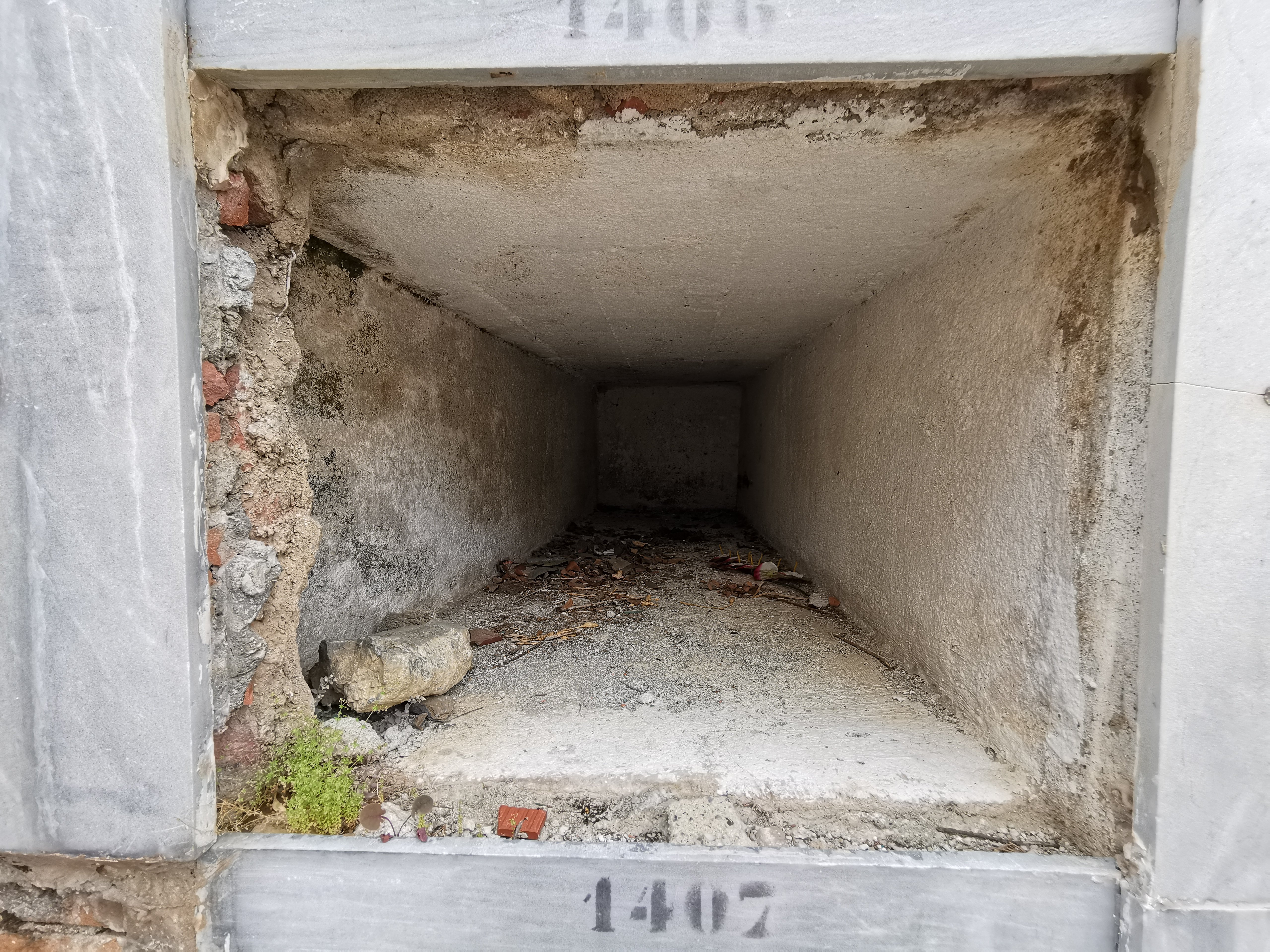

A crawl space sits between the soil and the living areas of a home, making it one of the first places moisture collects. Because the space is rarely visited, humidity can climb for months before anyone notices. Tristate Waterproofing, which has worked on basements and crawl spaces since 2000, notes that homes in humid regions are especially prone to this buildup because of natural soil moisture, inadequate ventilation, and poor drainage.
Why Humidity Matters Below the Floor
Relative humidity measures how much moisture the air holds compared with the maximum it can hold at a given temperature. When readings in a crawl space stay above 60 percent, mold and mildew can take hold on joists, subfloors, and insulation. Wood that stays damp for long periods may begin to rot, and wet insulation loses much of its effectiveness.
Air in a crawl space also does not stay there. As warm air rises through a house, some of it is drawn up from below, allowing crawl space humidity and odors to affect indoor air quality.
Common Causes of Crawl Space Humidity
Moisture Rising From the Soil
Exposed dirt floors release water vapor continuously, even when the ground appears dry. Without a ground cover, this evaporation can be a major source of moisture. The effect is often stronger in homes with high water tables or clay soils that hold water.
Humid Outdoor Air
Foundation vents were once thought to help crawl spaces dry out. In warm, humid weather, however, they often let in moist outdoor air. When that air meets cooler surfaces such as ductwork, pipes, or the underside of the floor, it can condense into water.
Water Intrusion
Poor grading, clogged gutters, and short downspouts can direct rainwater toward the foundation. Water that seeps through walls or pools on the floor raises humidity quickly and keeps it high long after a storm passes.
Plumbing and Appliance Issues
Leaking supply lines, drain pipes, and HVAC condensate lines add moisture directly to the space. A dryer vent that ends inside the crawl space instead of outdoors can release large amounts of warm, humid air.
How to Measure Humidity Levels
A digital hygrometer placed in the crawl space offers a simple way to track conditions. Readings taken across different seasons give a more reliable picture than a single check, since humidity often peaks during summer. Visual clues also help. Condensation on pipes, rust on metal fasteners, sagging insulation, and white mineral deposits on foundation walls all point to excess moisture.
Strategies to Keep Humidity in Check
Manage Water Outside First
Humidity control starts with keeping liquid water out. Grading soil away from the foundation, extending downspouts, and keeping gutters clear all reduce the water that reaches the crawl space. Where water still enters, interior drainage or a sump pump may be needed.
Install a Vapor Barrier
A polyethylene ground cover at least 6 mil thick limits evaporation from the soil. Seams should overlap and be sealed so moisture cannot escape through gaps.
Consider Sealing the Space
In humid climates, closing foundation vents and sealing the space, a process known as encapsulation, often produces better results than ventilation. Research in the southeastern United States has found that properly sealed crawl spaces stay substantially drier than vented ones during humid conditions. Any existing water or drainage problems should be resolved first.
Add Dehumidification
A sealed crawl space still needs a way to remove moisture. A dehumidifier designed for crawl spaces, or a small supply of conditioned air from the home’s HVAC system, helps hold humidity at a steady level.
Address Leaks and Condensation
Plumbing leaks should be repaired promptly, cold water lines insulated to limit condensation, and dryer vents routed outdoors.
Building a Routine That Keeps Levels Stable
Humidity control is an ongoing task rather than a one-time fix. Inspecting the crawl space at least twice a year, ideally in spring and fall, helps catch new leaks, torn vapor barriers, or drainage changes early. Reviewing hygrometer readings after heavy rain or long humid stretches shows whether current measures are working. Small adjustments made early are far less disruptive than repairing rotted framing or removing widespread mold.
For persistent moisture issues or signs of structural damage, consulting a waterproofing professional can help identify the right solution for your home.
Tristate Waterproofing
2222 Hilton Drive
2222 Hilton Dr Gainesville, GA 30501
Gainesville
Georgia
30501
United States